
Budget-Friendly Board and Batten Bedroom Feature Wall: Easy DIY with MDF Bender Board


Have you ever wanted to add a little character to a plain bedroom wall without spending a fortune? A board and batten feature wall is a beautiful way to add architectural detail and make a room feel more finished.
I wanted to create a board and batten look in our bedroom without the expense of traditional lumber. My solution was to use MDF bender board, which gave me the look I wanted while keeping the cost of the boards under $40!
This DIY bedroom feature wall is a great way to transform a blank wall into something special. With some measuring, a few basic tools, and a little patience, you can create a custom look that works with your existing decor.
Let me show you how I made my budget-friendly board and batten wall.

Why I Used MDF Bender Board for Board and Batten
Traditional board and batten can add up quickly, especially when you’re covering a large wall. I wanted to find a more affordable alternative that would still give me the clean, classic look I had in mind.
MDF bender board was the solution for my project. It’s lightweight and easy to work with, making it a practical option for this type of decorative wall treatment.
Here are a few reasons I liked using it:
Budget-friendly: I spent under $40 on the bender boards for my wall.
Lightweight: The boards were easy to handle while I worked.
Easy to customize: I could cut the boards to fit my wall and choose the spacing I wanted.
Paintable: A fresh coat of paint helped the new trim blend into the room.
Keep in mind that the total cost of your project will depend on your wall size, the supplies you already have, and the tools you need to purchase.


Materials You’ll Need for This Budget DIY Project
Affiliate links are provided for your convenience.
- MDF Bender Boards
- miter saw, hand saw, or utility blade
- nailer (if you don’t have a nail gun, you can use a hammer and nail, it just takes longer)
- level
- tape measure
- stud finder
- wood filler
- sandpaper
- caulk
- primer (if you are wanting to go white and your existing wall color is dark)
- paint & primer in one
- paint brush
- roller
Tip: Shop sales or use scraps from previous projects to slash costs even further.
How to Install a Board and Batten Wall with MDF Bender Board
Follow these easy steps to create your budget-friendly board and batten bedroom feature wall. The entire project can be completed in a weekend!
Step 1: Plan and Measure Your Wall
Start by deciding how you want your board and batten design to look.
Measure the height and width of your wall, then determine how far apart you want the vertical battens to be. The spacing will depend on the size of your wall and the look you’re trying to achieve.
Use a pencil, tape measure, and level to mark the planned locations. Taking time to plan the layout before cutting or attaching anything will make the installation process much easier.
I also recommend using a board-and-batten calculator to help determine your spacing and measurements.
Step 2: Prepare the Wall
Before installing the boards, check the wall for nail holes or other imperfections that need attention.
Fill any holes, allow the filler to dry, and smooth the repaired areas. Then wipe the wall clean so you’re starting with a good surface.
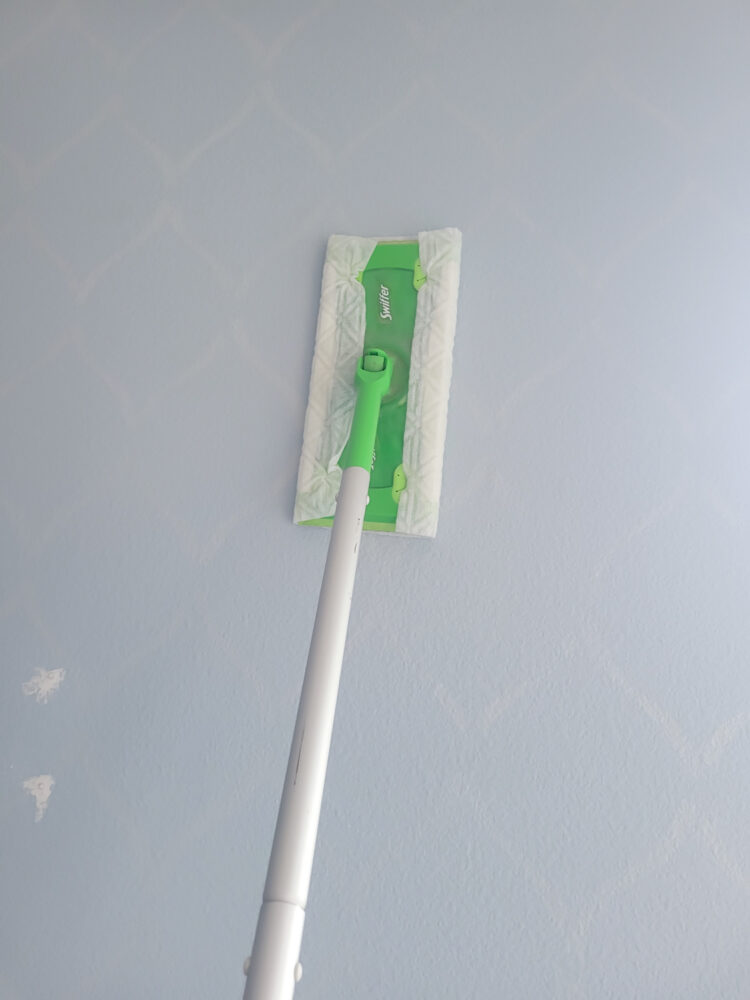
Step 3: Paint the Wall
I prefer painting the wall before attaching the board and batten. It makes it easier to cover the areas that will be behind the trim.
You can paint everything after installation if you prefer, but painting the wall first can save some time when you’re working around all those vertical and horizontal pieces.
Step 4: Cut and Install the Horizontal Boards
I started by placing a full-length board directly on top of the existing baseboard. I secured it, then measured and cut additional pieces to fill the remaining space.
I followed the same approach for the top horizontal board near the ceiling, using full-length pieces wherever possible and cutting smaller sections to fit.
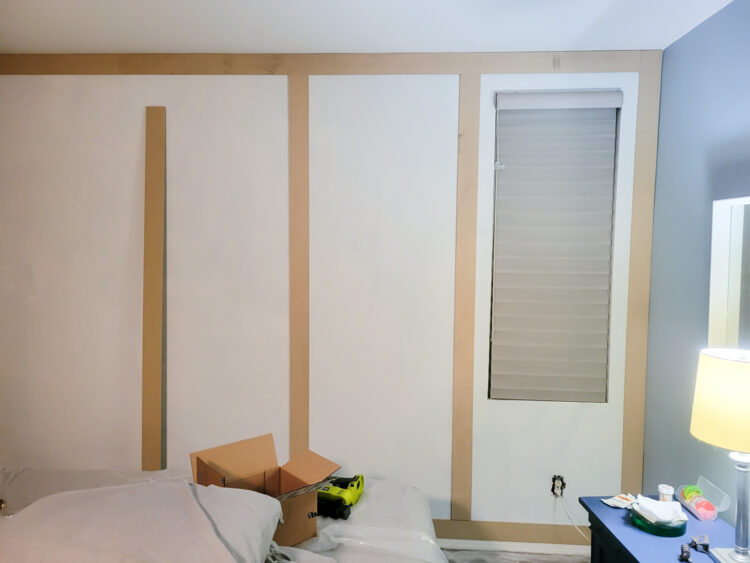
Measure each space carefully before cutting. Even when two sections look the same, it’s worth double-checking your measurements.
Step 5: Install the Vertical Battens
Once the horizontal boards were in place, I began adding the vertical battens.
I started at one side of the wall and worked my way across. For the first piece, I used a level to make sure it was straight. Then I used a scrap piece of wood as a spacer to keep the remaining battens evenly spaced.
I attached the boards with a nail gun, placing nails where the wall studs were located. For areas without a stud, use an appropriate fastening method for your wall and materials.
Because every wall and installation is different, check that your chosen fasteners are suitable for the boards and wall construction. Follow the tool manufacturer’s safety instructions when cutting and fastening the trim.
Step 6: Add Horizontal Trim
When it came to adding the horizonal pieces I would measure the space between the vertical pieces just to double-check and then cut the piece. I used a level to make sure I was keeping in a straight line.
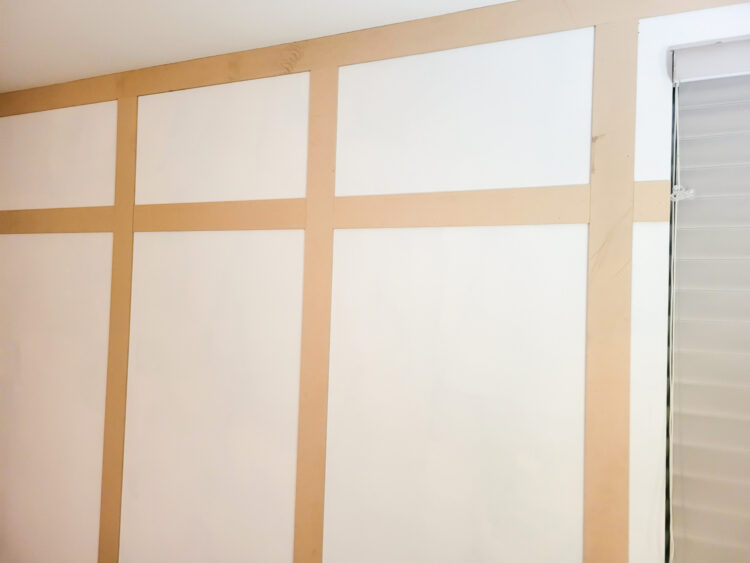
Step 7: Fill the Seams and Nail Holes
Once all the boards were installed, it was time to make everything look seamless.
Use wood filler on the seams between the boards and over nail holes. Press the filler into the gaps, remove the excess, and allow it to dry according to the product instructions.
Lightly sand the filled areas until they’re smooth.
This step makes a big difference in the finished appearance, so don’t rush it!
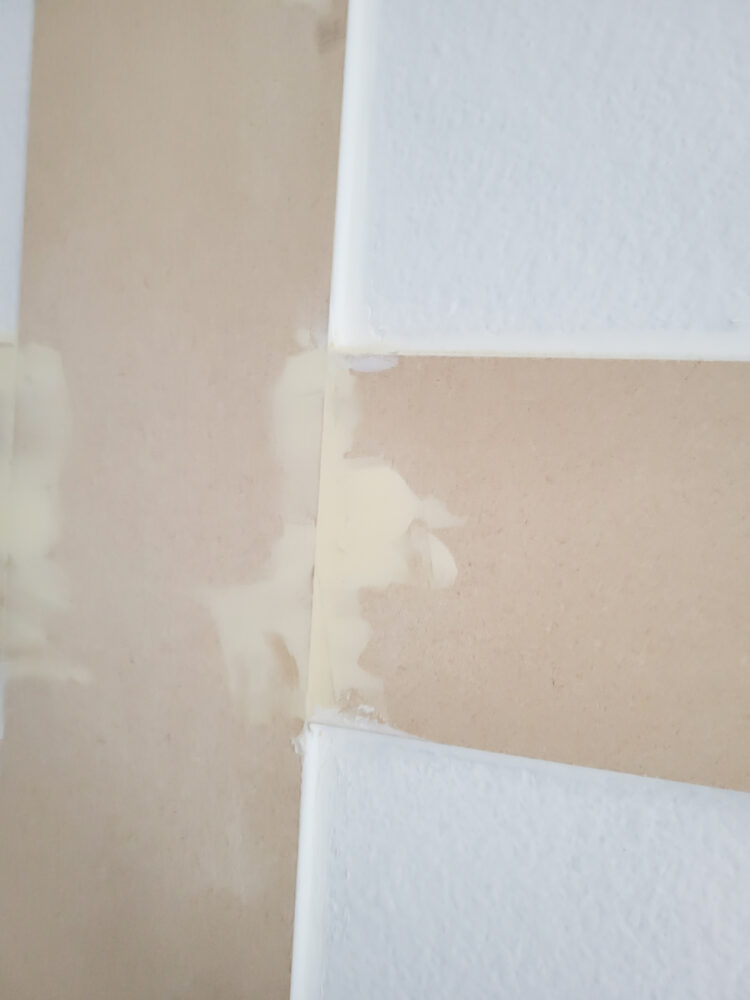
Step 8: Caulk Along the Edges
Next, apply caulk where the boards meet the wall.
Work in manageable sections, applying a thin bead along the edges. Smooth the caulk according to the manufacturer’s instructions and allow it to dry before painting.
The goal is to soften the small gaps between the wall and trim so the finished wall looks more polished.
Step 9: Prime and Paint
Now for the finishing touch!
My bedroom walls were previously a light blue, so I used a white paint-and-primer combination. I applied two coats to get the coverage I wanted.
If you’re painting over a dark wall with a much lighter color, you may need a separate primer first. Follow the recommendations on your paint and primer labels, and allow each coat to dry before applying the next.
Once the paint has dried thoroughly, step back and enjoy your new board and batten feature wall!

The Finished Board and Batten Bedroom Wall
I love how this simple wall treatment adds character to the bedroom. It creates a custom look without the expense of using traditional lumber for every piece.
Board and batten is also versatile. You can use a similar design in an entryway, bathroom, hallway, or another room where you’d like to add a little architectural interest.
The best part of this project was finding a way to achieve the look I wanted while keeping the material cost low.
If you’re planning a bedroom refresh, this is a great project to consider!
More DIY Home Decorating Ideas
If you enjoy affordable home updates, take a look at some of my other DIY projects for more inspiration. From furniture makeovers to creative wall treatments, there are lots of ways to give your home a fresh look without starting from scratch.
You can learn how to updated my headboard to this Cane Headboard in this post.
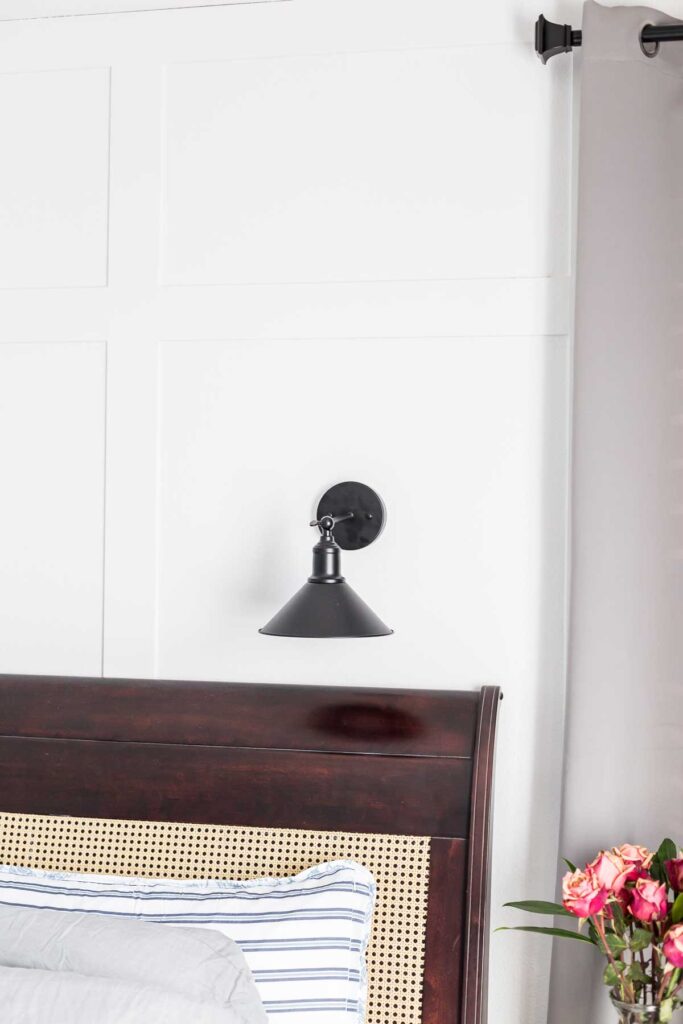
Creating a budget friendly board and batten accent wall with MDF bender board is an accessible way to add elegance without the expense. It’s beginner-friendly, customizable, and transforms bland walls into focal points. Ready to tackle your own? This batten look is great in bathrooms, entryways, or anywhere you want to have a focus point.





Using MDF bender board for a board and batten wall really does make a high-end look accessible to beginners, and the step-by-step instructions are incredibly clear. The tip about using a spacer for even spacing is especially helpful. For anyone looking to update other elements of their home decor on a budget, you might find stylish and affordable options in quince https://quince.pissedconsumer.com/review.html to complement a newly refreshed space. Small upgrades like these can truly transform a room without a major financial commitment.